Post-Doc position in the KZLab! Immune responses to pathogen infections in frogs

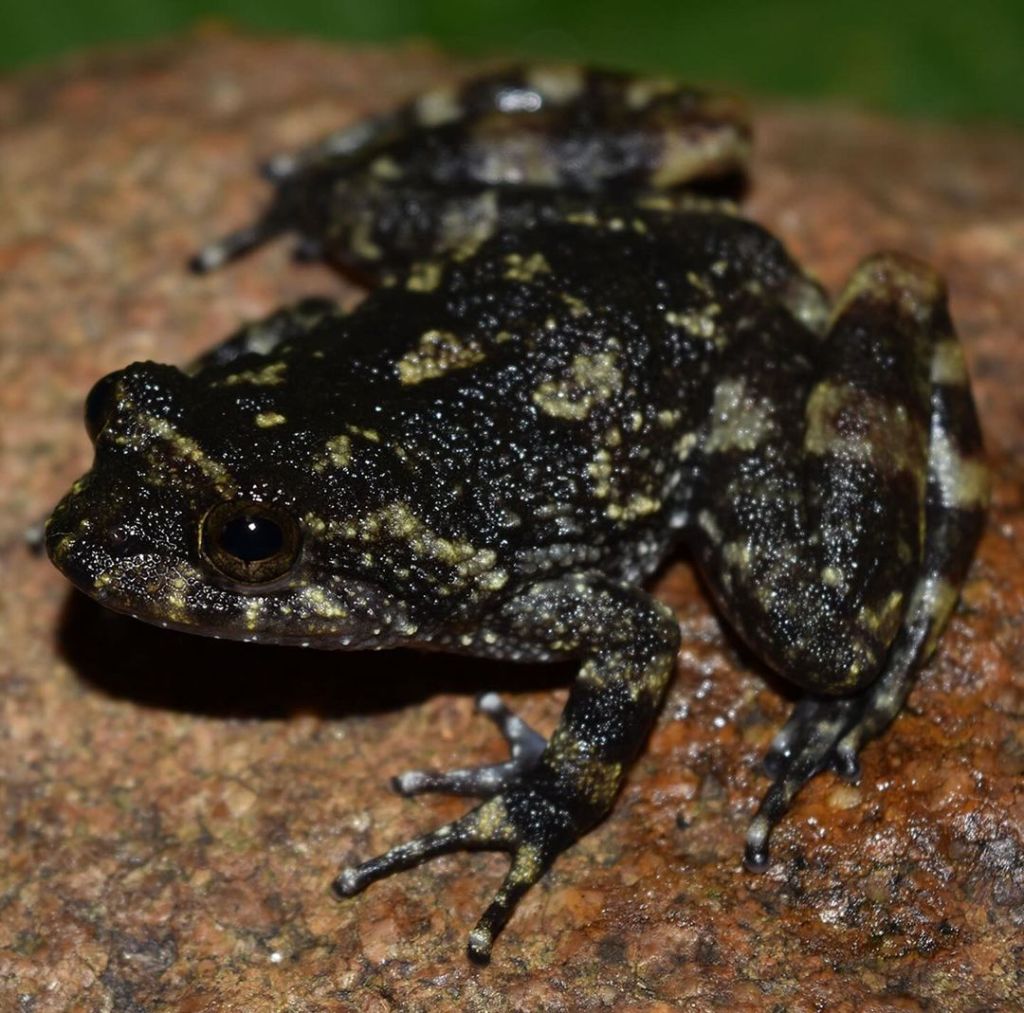
We are looking for an NSF-funded post-doc in our lab in the Department of Integrative Biology at the University of Texas at Austin. The work will examine immune mechanisms that potentially underlie susceptibility of frogs to the chytrid fungus Bd (Batrachochytrium dendrobatidis). Specifically, the project entails characterizing T-cell receptors in experimental populations of bullfrogs under different growth conditions, to assess the plasticity of receptors and their downstream effect on host tolerance to the pathogen. Our lab has a long history of studies in this host-pathogen system, and we are looking for someone to extend these analyses to include experimental manipulation of hosts. The postdoctoral candidate will have the opportunity to interact closely with co-PIs at the University of Rochester (Jacques Robert), the University of Central Florida (Anna Savage), and Vanderbilt University (Ann Tate).

The postdoctoral candidate will be encouraged to carry out independent work. There is a wide variety of research going on in the lab in addition to the current project. For more details on our work, please see zamudiolab.org

The candidate must have a Ph.D. at time of appointment, preferably in biology, immunology, population genomics, or related field. The position will require experience in working with frogs (in lab and/or field), molecular methods for collection of genomic data, and strong bioinformatic skills. Salary commensurate with experience.

To apply, please submit i) a letter of application, (ii) a full CV, iii) a brief statement of research interests, and (iv) contact information for three references. Review of applications will start immediately and will continue until the position is filled. Start date can be as early as September 2025, but negotiable.

Inquiries and applications can be directed to Kelly Zamudio (kelly.zamudio@austin.utexas.edu).

The University of Texas, Austin has an active group in evolutionary genomics, herpetology, disease ecology and considerable genomic and bioinformatic resources. Austin is situated in the scenic Texas Hill Country. The cultural environment provided by the University and the City of Austin is exceptionally rich in art, music, and entertainment.
Couple new papers from the lab!

Couple fun projects have just been published from our lab. As always, pubs represent hard hard work, so I am especially thankful to all the authors who put in the time and effort. #ProudPI

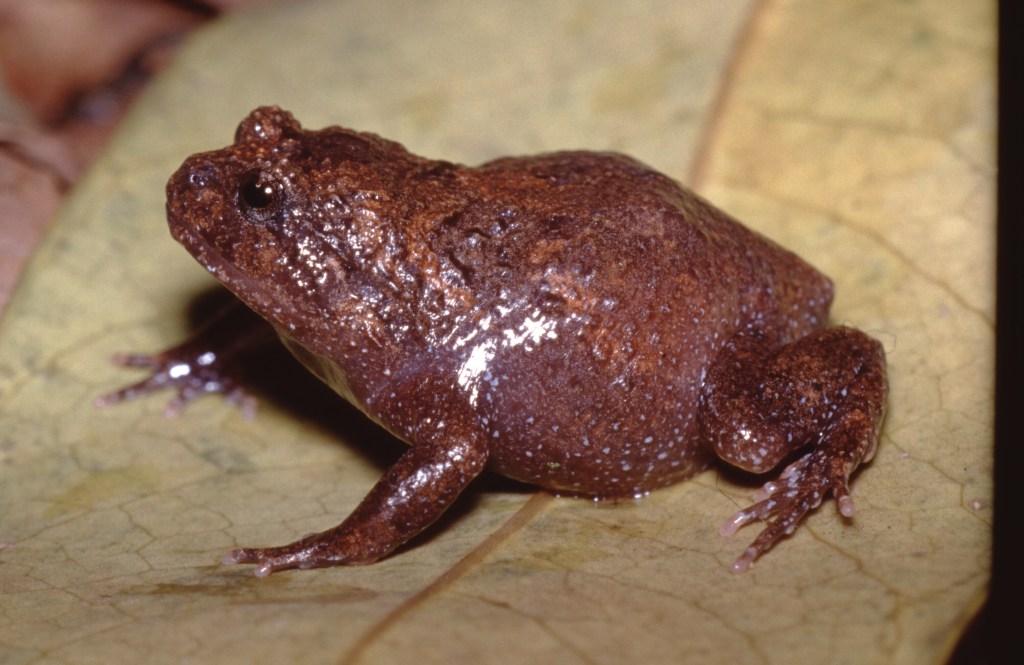
The first is a paper led by Fabio de Sá published in Ecology and Evolution (a paper from his PhD thesis). Two species of Cycloramphus come together in the Atlantic Coastal Forest of Brazil and there are some interesting dynamics going on in terms of introgression and mitonuclear discordance. [link]

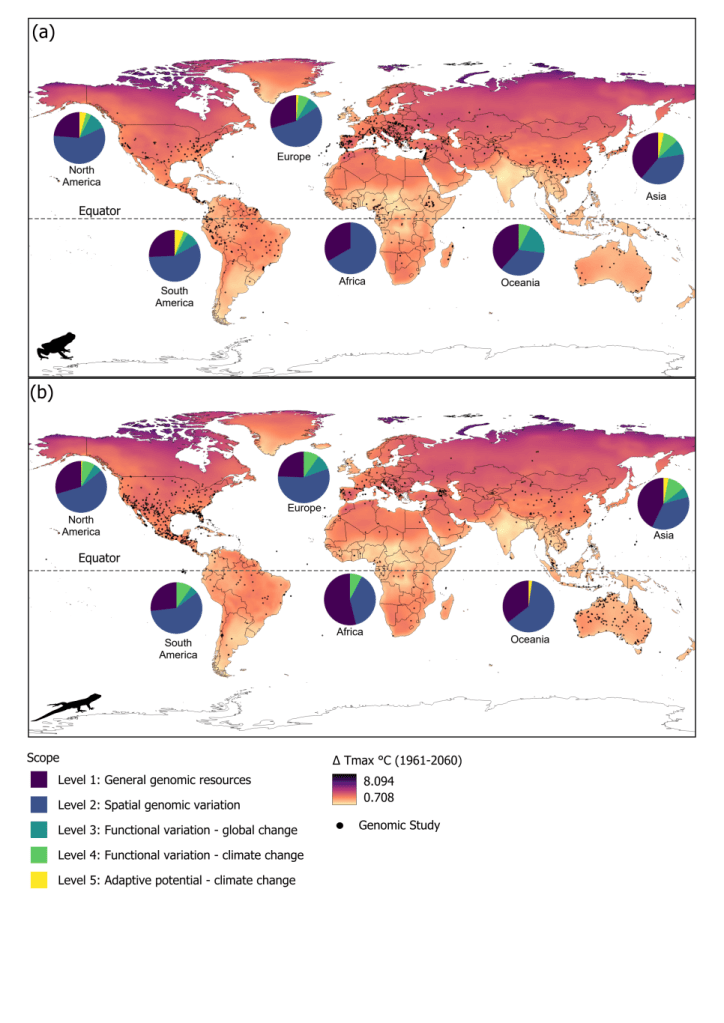
The second paper was a lab project, led by Céline Carneiro. We examine the global distribution of genomic resources for reptile and amphibian conservation. We find that i) resources exist, but are very skewed globally and areas of highest biodiversity are coldspots for genomic resources ii) most genomic resources provide information on spatial variation in population diversity, far fewer address functional variation and implications for species adaptive potential in the face of global change iii) Many of the coldspots show significant bias in authorship, with papers on taxa from the global south having fewer local authors compared to studies on taxa from the global north. A truly collaborative conservation genomics field will need improved resource sharing and capacity building in the Global South. [link]

#Evol2023 is a wrap!

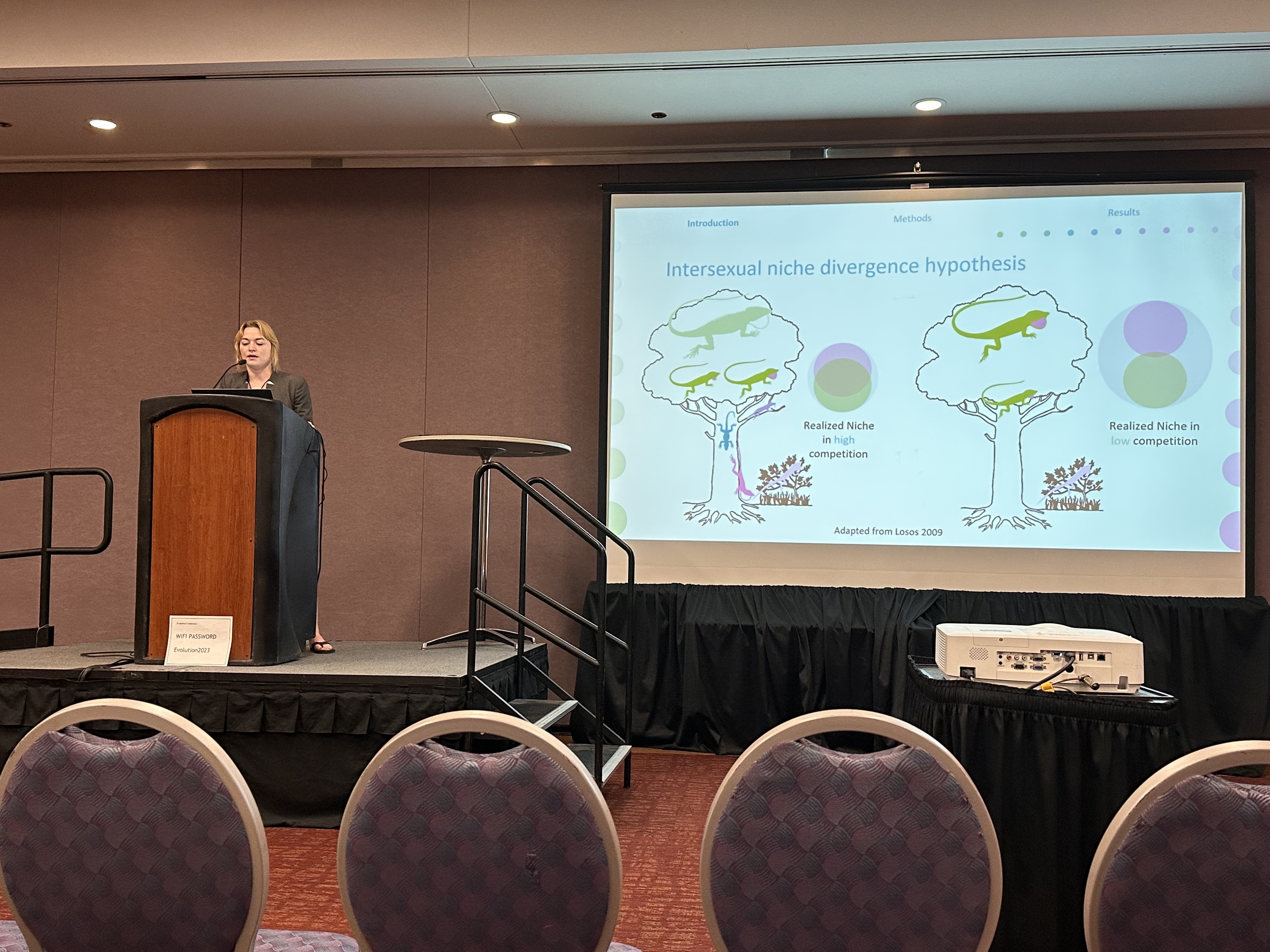
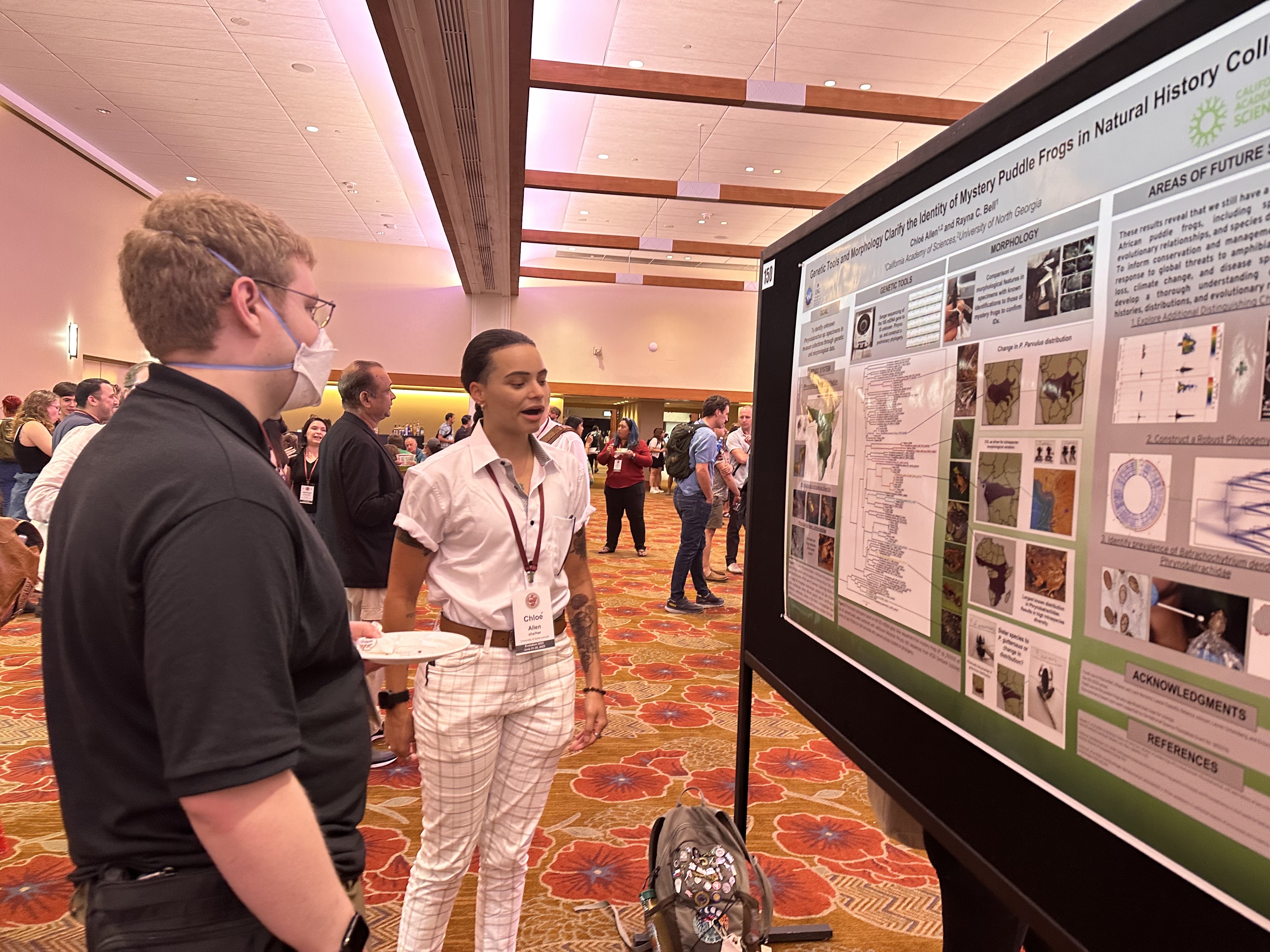
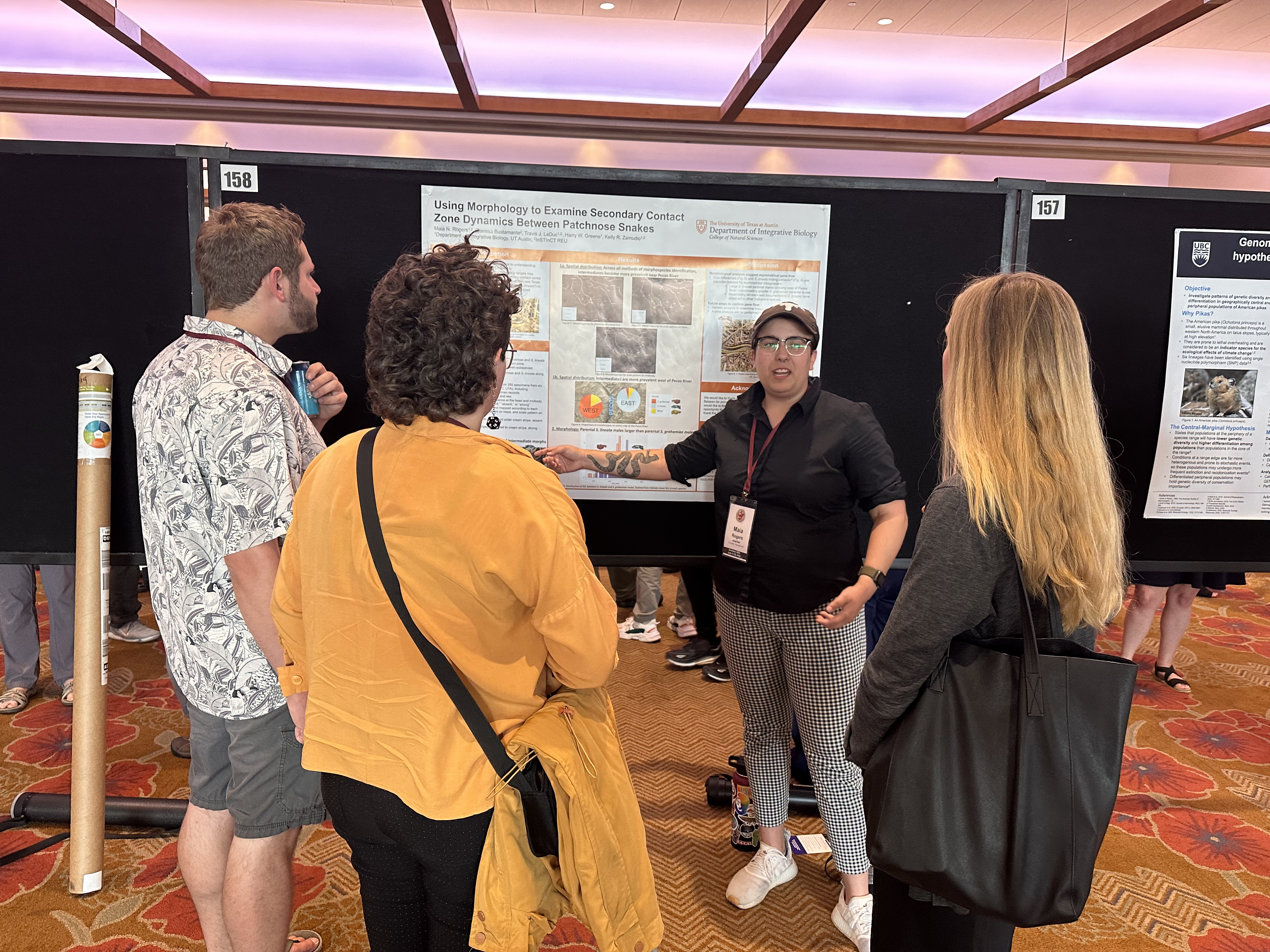
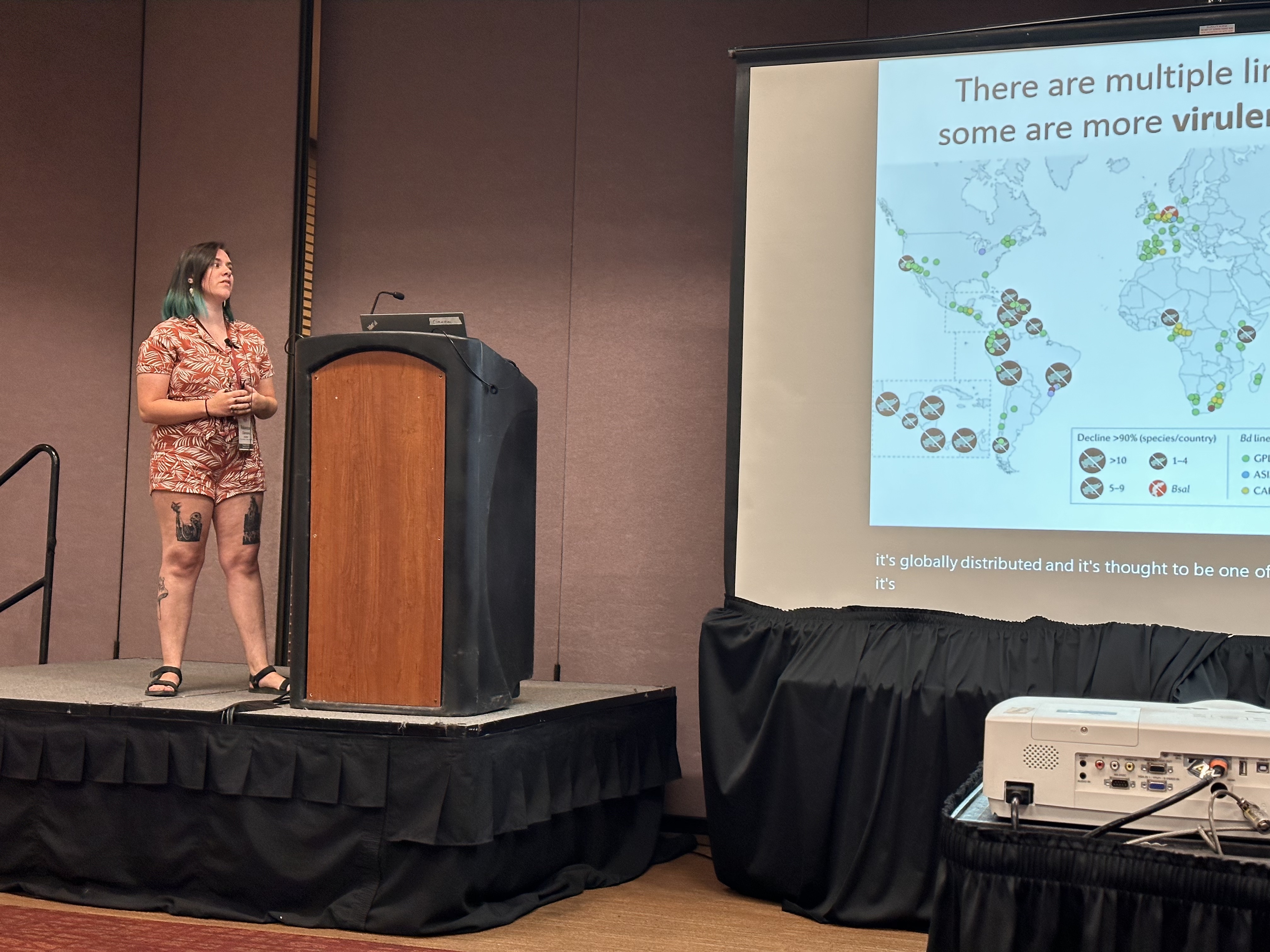
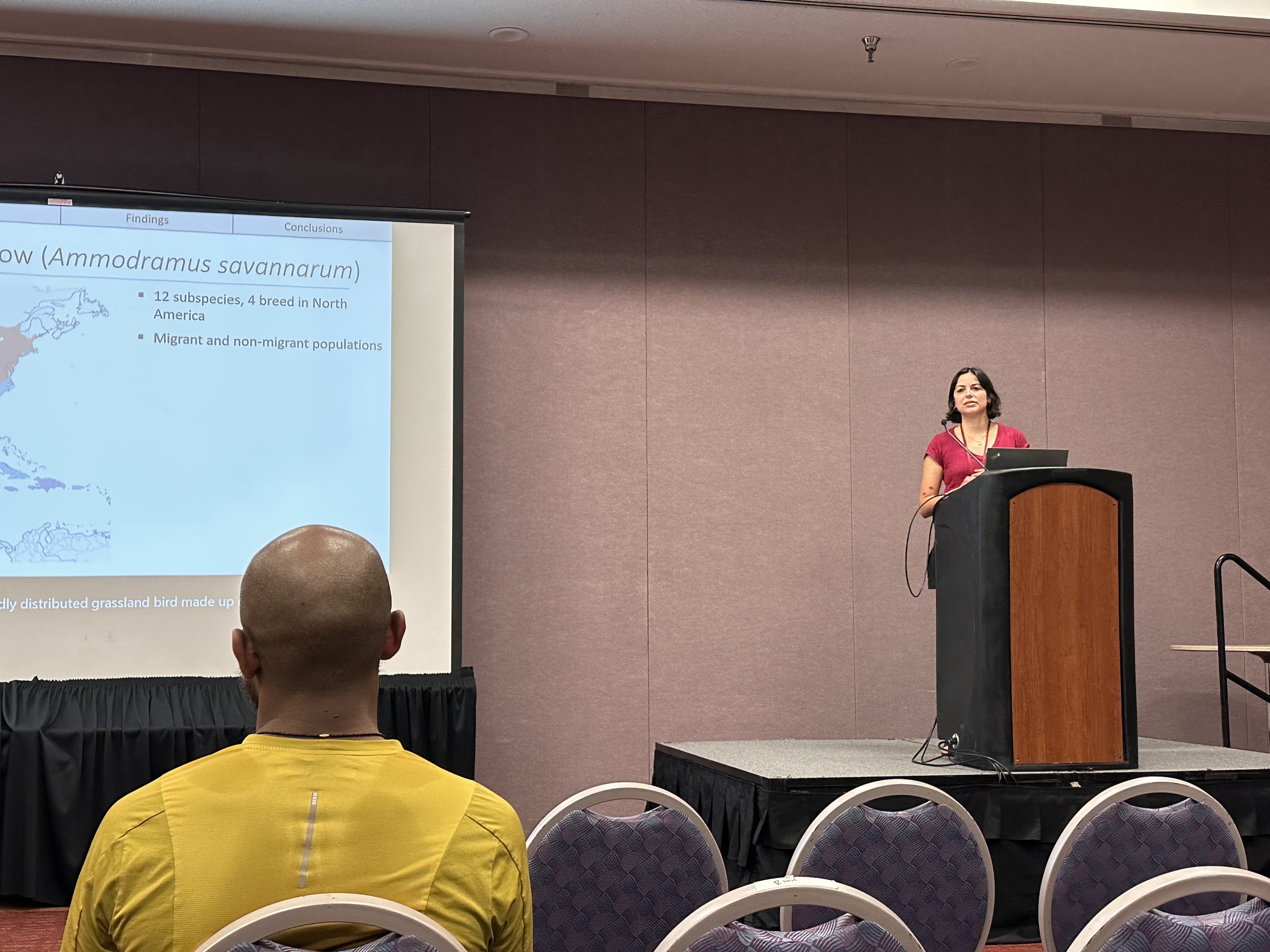
Zamudio Lab showed up in force at the Evolution Meetings this year in Albuquerque! Four talks and two posters covering everything from snake hybrid zones to museomics! Everyone rocked it!

It was also a lot of fun to see all our colleagues again, and make new friends. We are all exhausted but looking forward to #Evol2024 in Montreal 🇨🇦🍁

Repeated evolution of terrestrial breeding in Atlantic Coastal Forest frogs

Our paper on the evolution of terrestrial breeding in frogs is out in Evolution! This was a fun one to write, and also the first chapter of Fabio de Sa’s PhD thesis.

Using comparative analyses and a multilocus phylogeny for the genera Cycloramphus and Zachaenus, our paper shows that terrestrial breeding has evolved three times in the clade, from a stream breeding (saxicolous) ancestor. Each time that happened, we see a correlated “shrinking” on the part of males, but not females, resulting in larger degree of sexual size dimorphism between the sexes.

Our conclusion is that by moving onto land, and breeding in concealed terrestrial chambers, or in leaf-litter, males are released from costly male-male competition that is typical for males defending territories and females in exposed stream breeding environments.

Zamudio Lab featured @CornellResearch site

We gathered all the Zamudio lab bodies that were on campus in late August for a photoshoot to accompany our lab profile… those of you who have done one of these before know how awkward it is to be photographed “acting normal” in front of the camera. We had fun – and here are some rockstar images of some of the members of the Zamudio Lab (Summer 2019). Photocredit: Dave Burbank

Riddell et al. (2019) paper published in Nature Communications

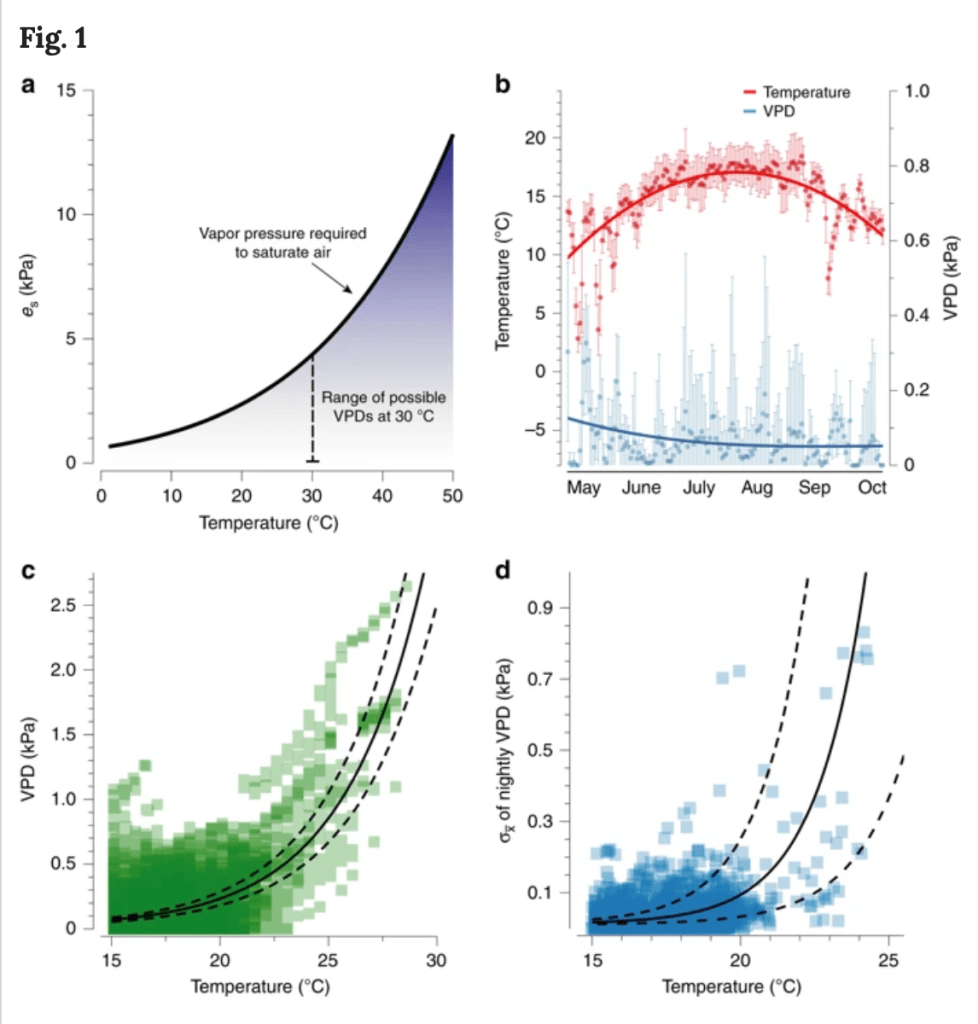
Eric Riddell visited our lab a few years ago to work up the gene expression data in salamanders from different elevations kept at different temperatures, to test for the underpinnings of plasticity and response to thermal change. His paper was just published in Nature Communications.

This paper is a great example of integrative organismal biology, pairing field translocations, with gene expression, and predictive thermal susceptibility. Congrats to Eric for leading all the co-authors!

Figure 1 from From: Thermal cues drive plasticity of desiccation resistance in montane salamanders with implications for climate change