Lina Arcila Hernandez will be joining us starting May 2019. She will fill the new ALI post-doc position in EEB to study the feasibility and efficacy of implementing social and team-based learning in online teaching platforms. Lina will be teaching in BioEE1781, the online version of Evolutionary Biology and Biodiversity, and working with Michelle Smith and Kelly Zamudio on her research. We look forward to having her!
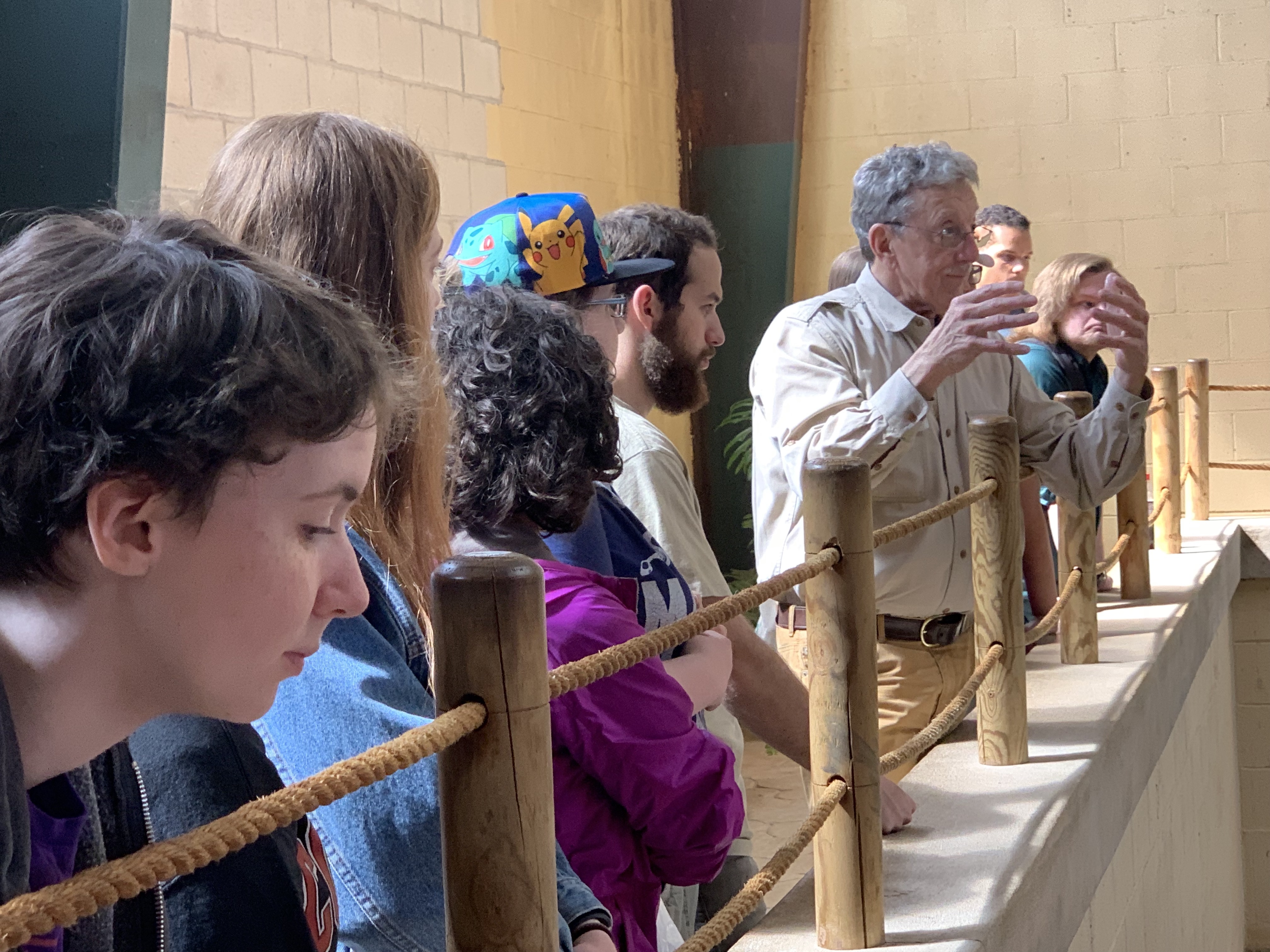
Clyde Peeling hosted 32 Cornell Herpetology students this weekend!
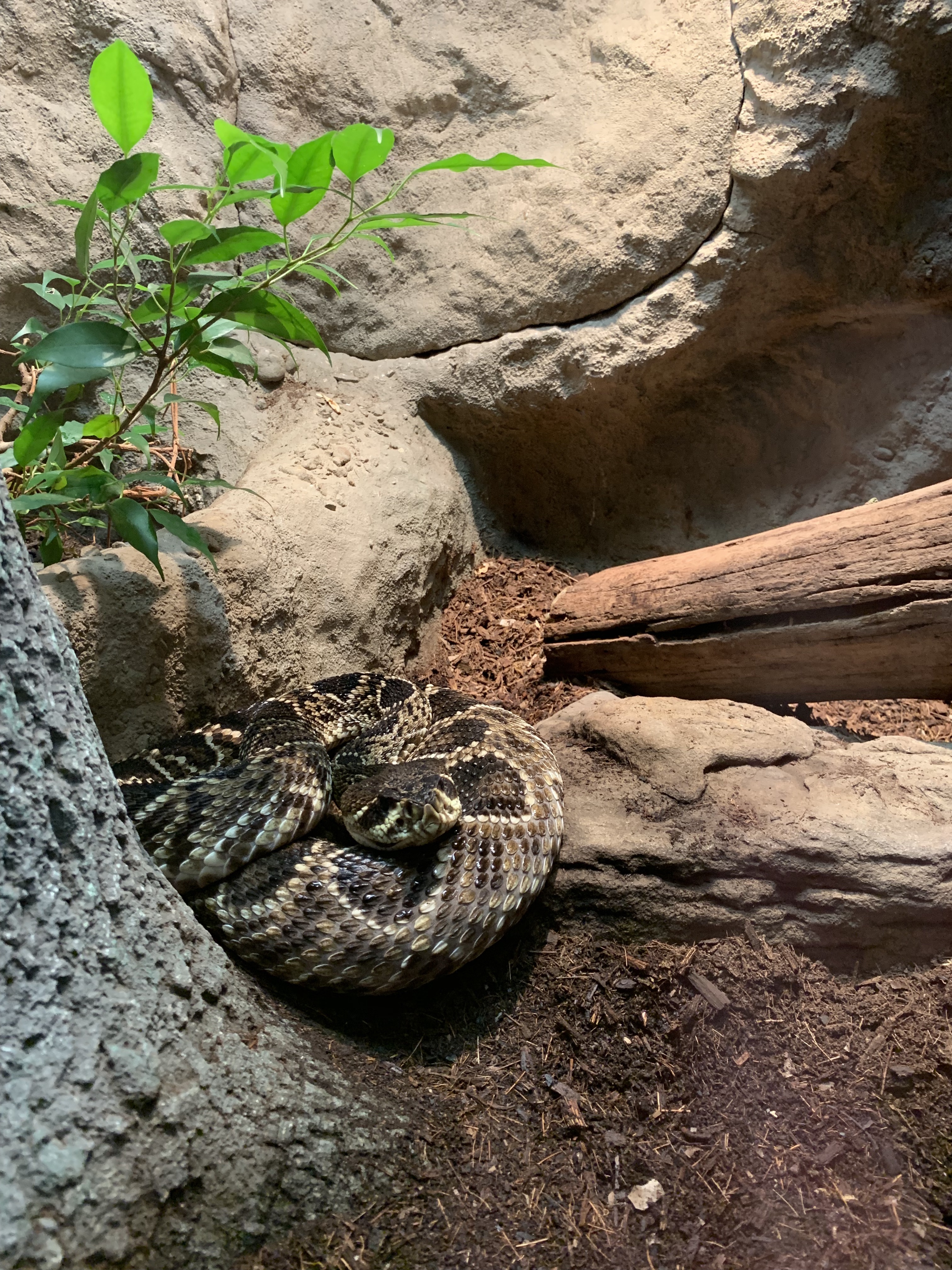
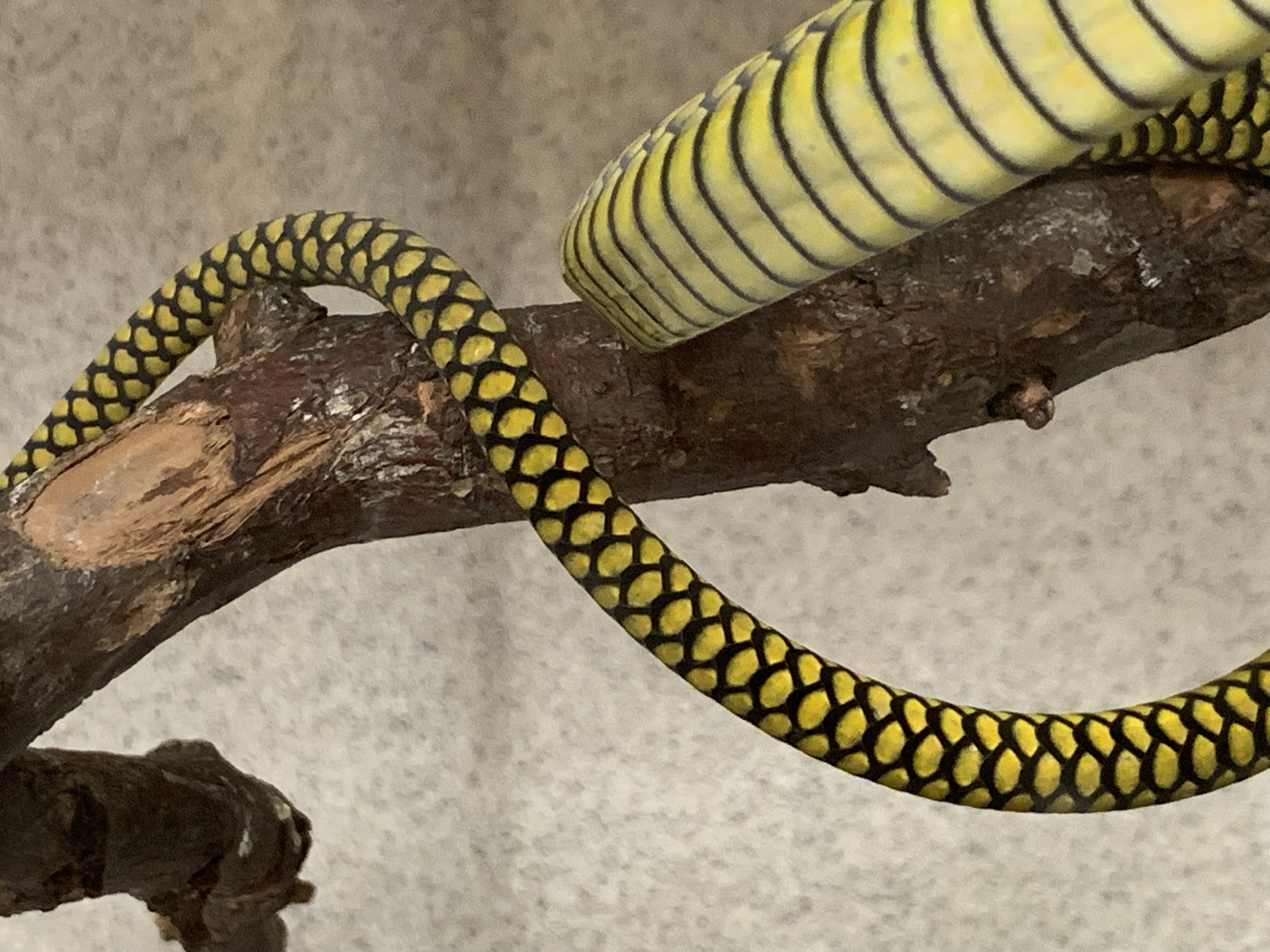
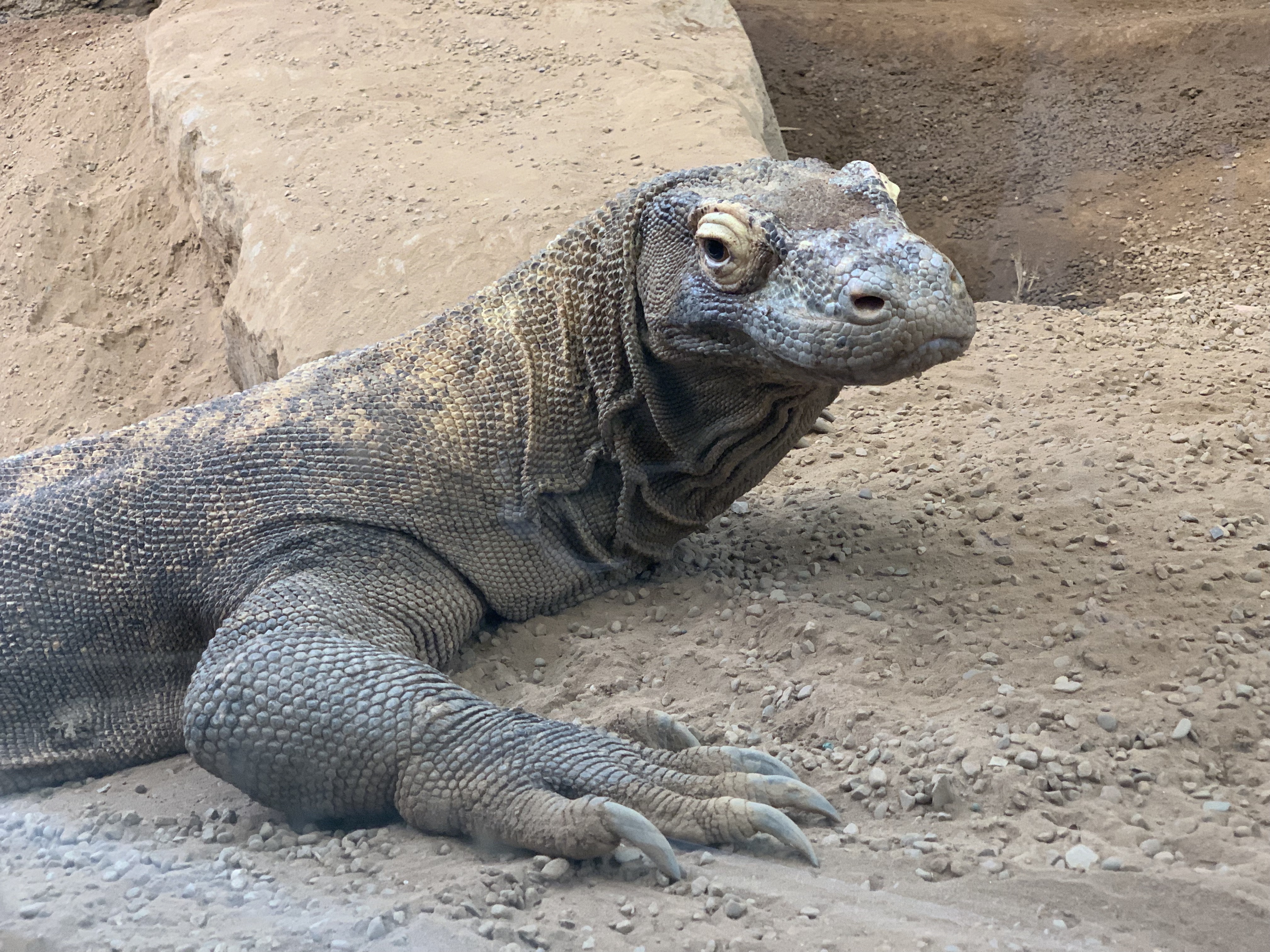
Every year our Herpetology Class goes to Clyde Peeling’s Reptiland, an AZA accredited zoo that focuses on reptile and amphibian diversity. We get a warm welcome from Mr. Peeling himself, get a behind the scenes tour, and then marvel at the intricate exhibits that are designed and fabricated by Clyde’s sons. A wonderful Zoo! And who would have thunk one could see courting Komodo dragons in Pennsylvania!
Komodo dragons courting, male tried for awhile, but she was not interested.
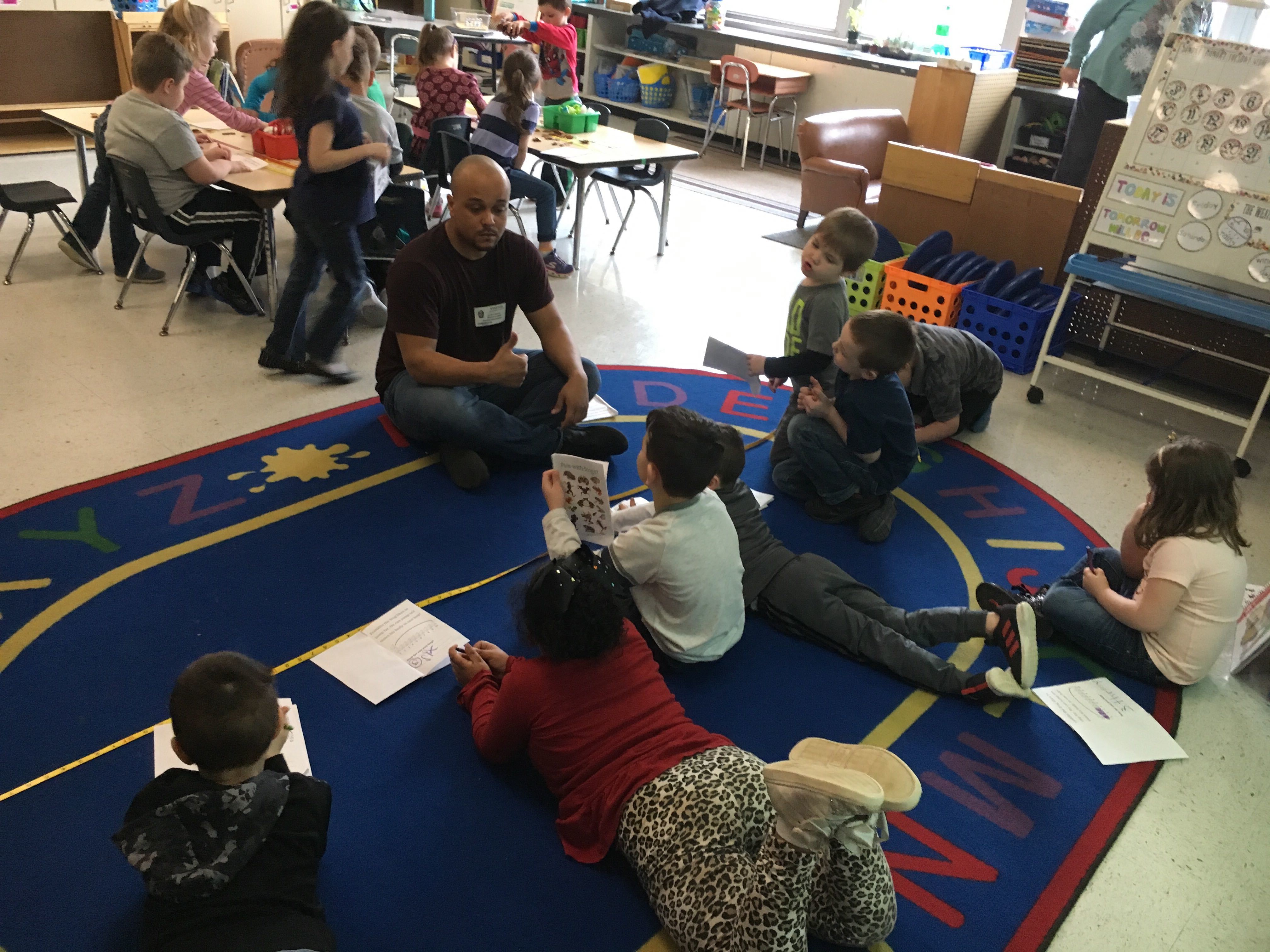
Jordan Garcia leads a discussion on frogs with students from Cortland.
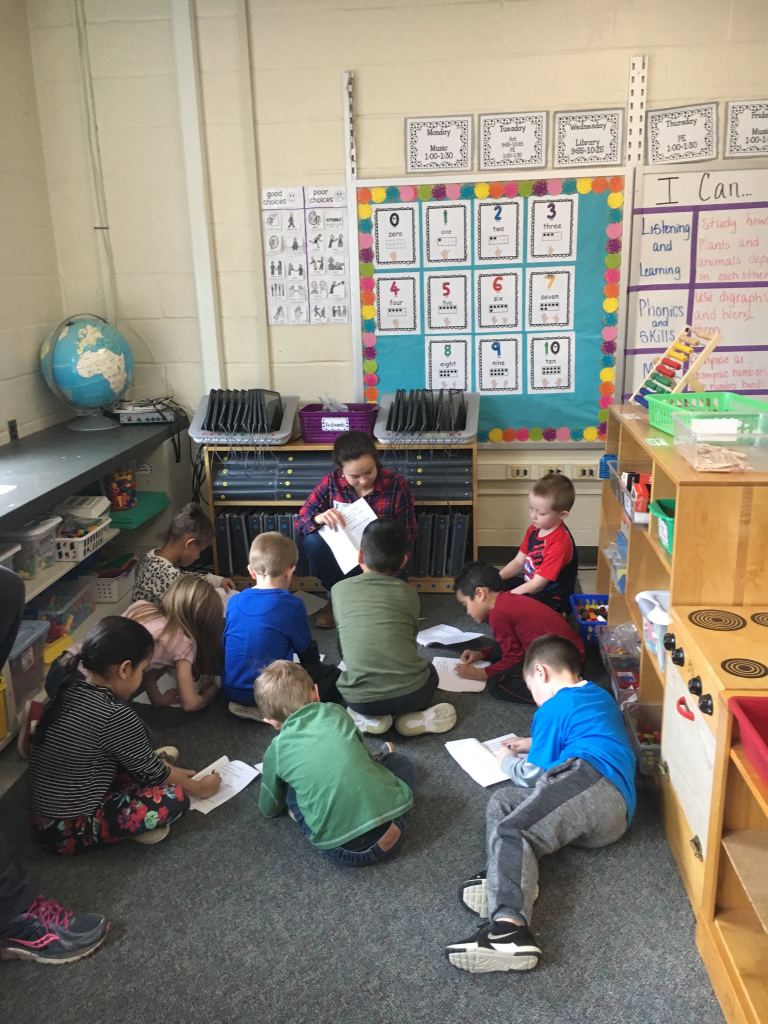
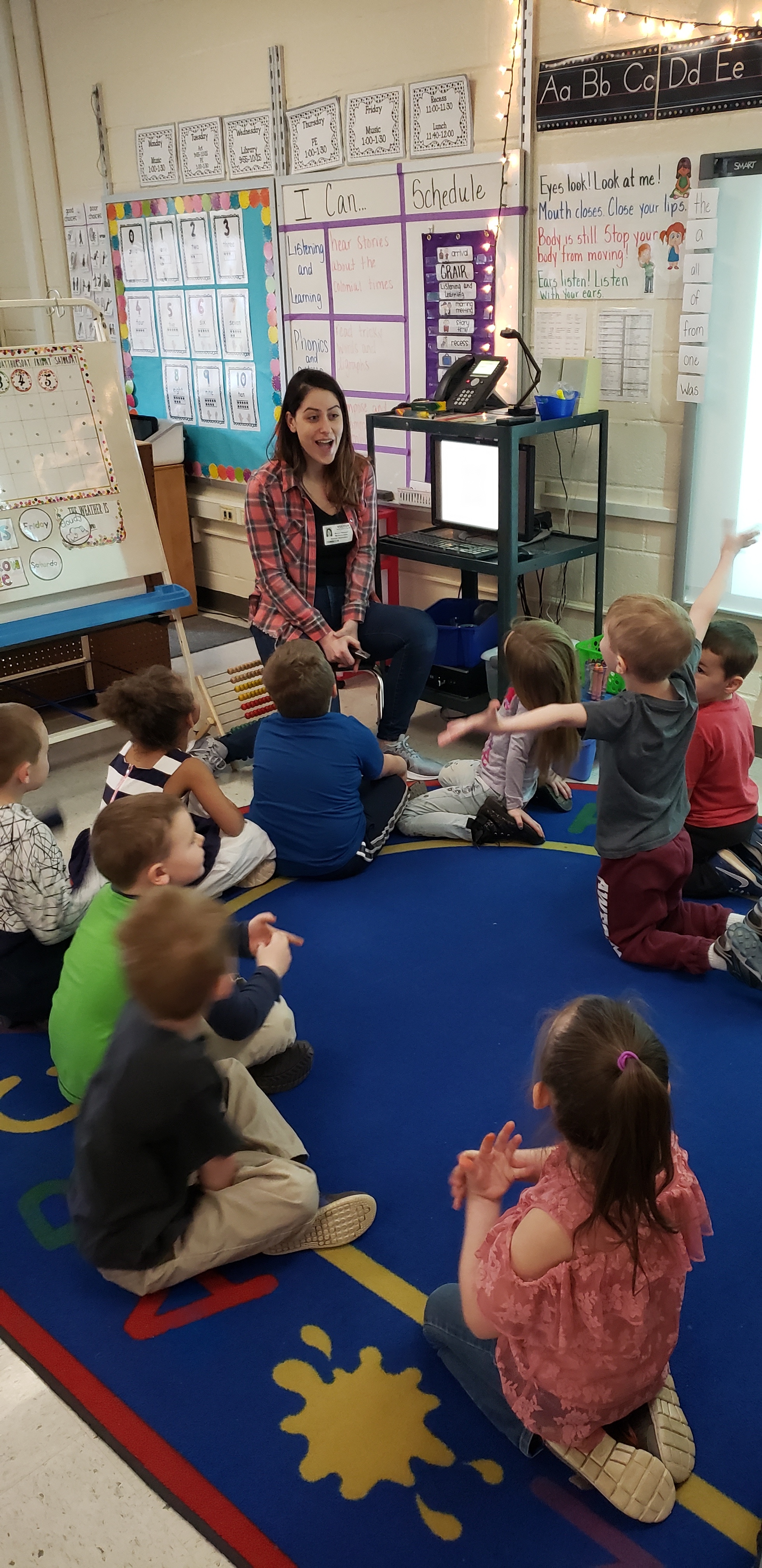
Grad students from our lab are participating in GRASSHOPR this year, a Graduate Student School Outreach Program. GRASSHOPR pairs Cornell graduate students with teachers in Tompkins County and Geneva to teach 3- to 5-session mini-courses on topics related to the graduate student’s field or interests. Students at Randall Elementary in Cortland learned all about frog diversity, tadpoles and metamorphosis, and natural history.
More importantly, students got to meet “real frog scientists”!
Cinnamon Mittan leads her group through their activity book.
Maria Akopyan gets her students excited about frogs!
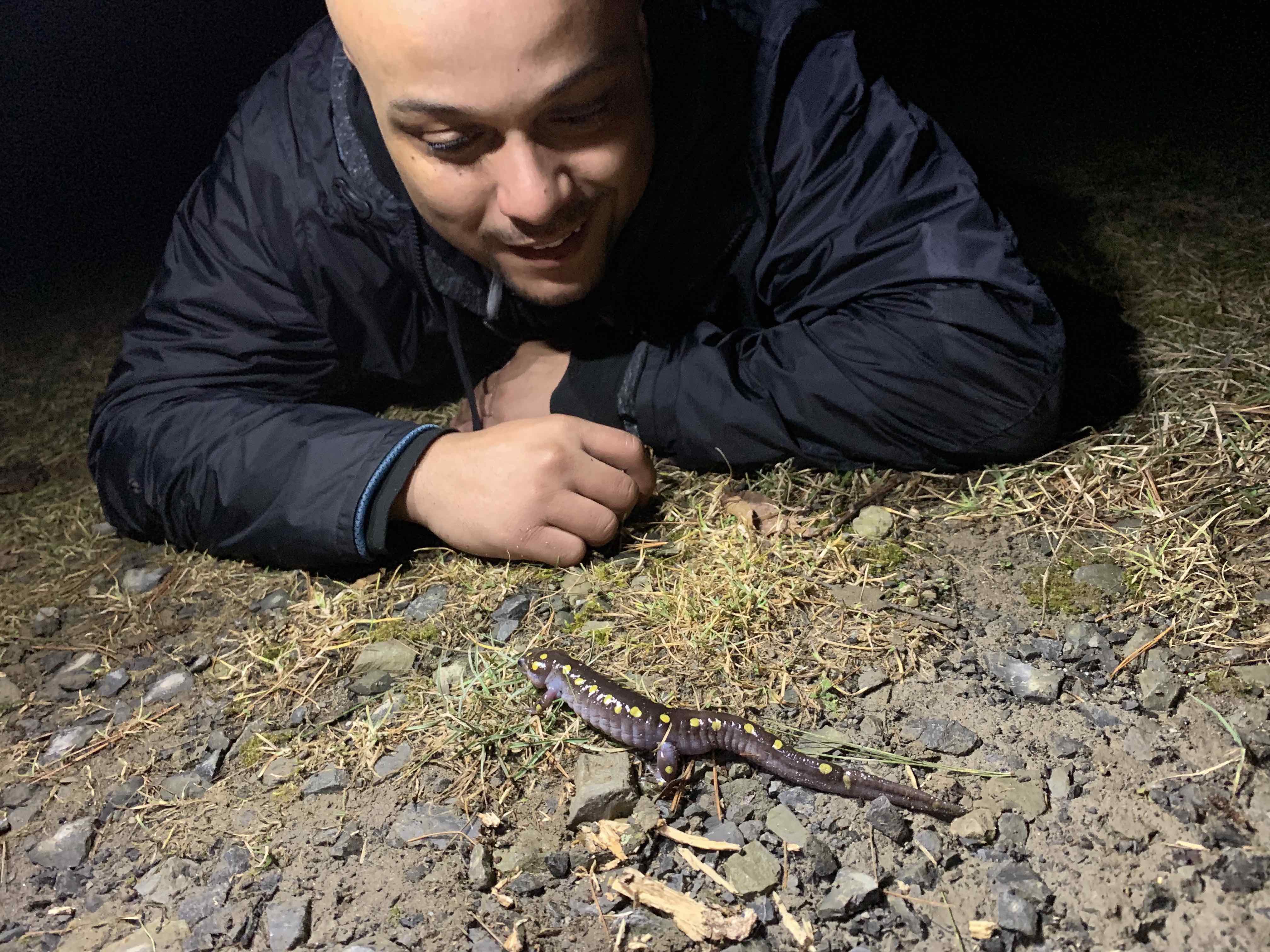
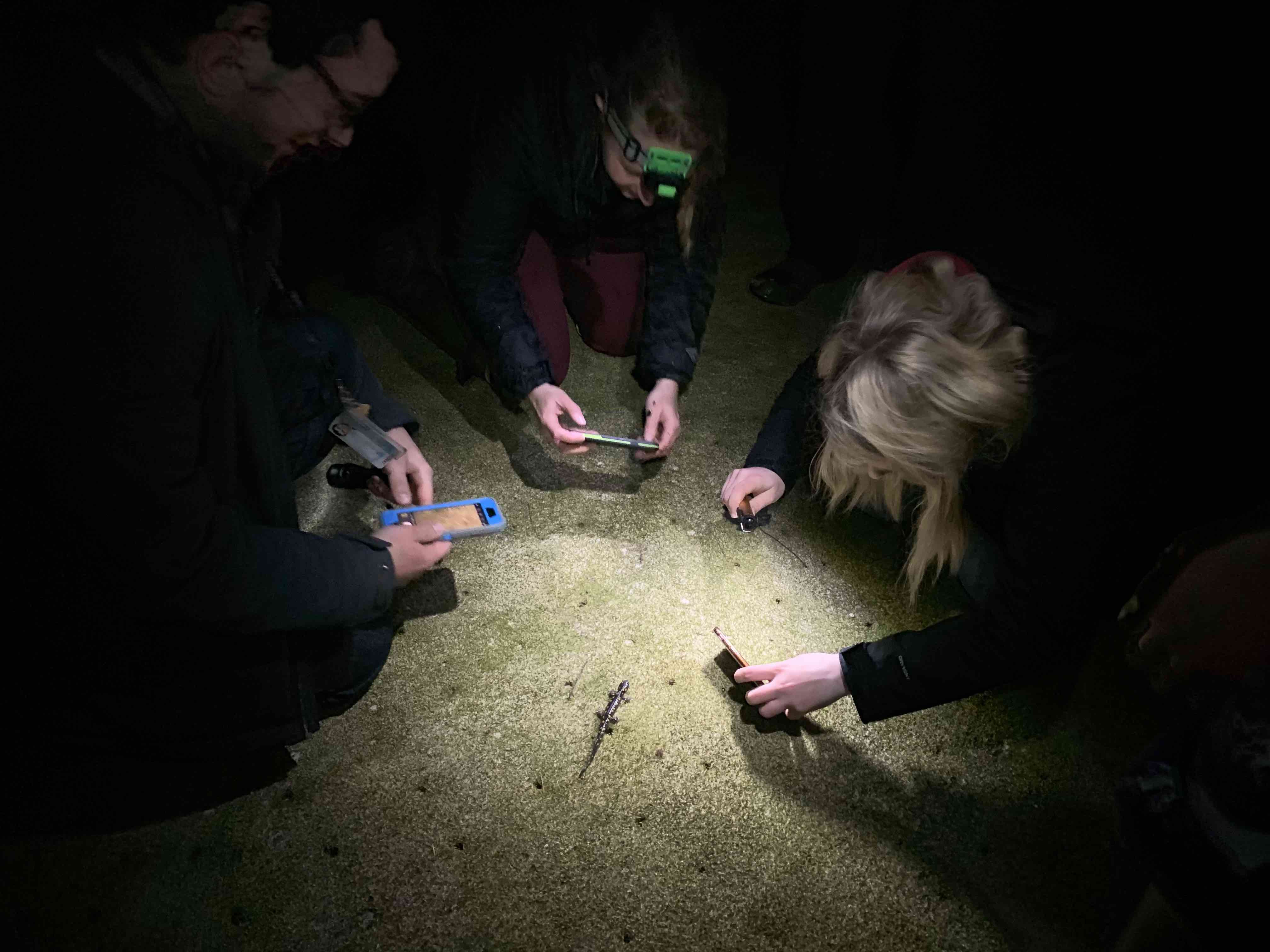
Ambystoma maculatum on his way to Bull Pasture Pond on the Cornell campus. Photo: C. Zobek
Maybe you already knew this, but our winters are looong, so it makes it even more special to witness the salamander migration to the breeding ponds. This is the real sign that winter has lost its grip on Ithaca!
Our Herpetology class has been waiting for this for weeks! And sure enough… it happens on the Friday before Spring Break when most students have left campus. Tonight Jordan, Nicole, and KZ took the few Herpetology students and Cornell Herp Society members that are still on campus to Bull Pasture Pond. We saw a bunch of Ambystoma jeffersonianum and A. maculatum, learned about sexual interference by spermatophore capping in spotted salamanders, and instagrammed the hell out of the salamanders making their way to the pond. It’s our own special herpetology ritual 🙂
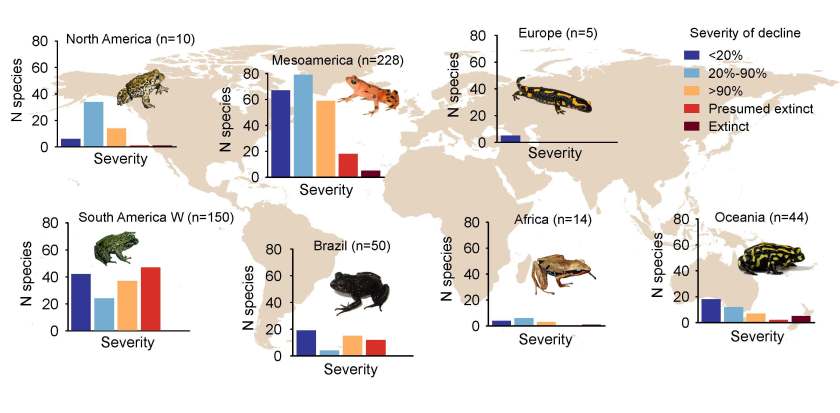
Figure 1. Scheele et al., 2019. Amphibian fungal panzootic causes catastrophic and ongoing loss of biodiversity. Science 363: 1459-1463.
We often get asked… how bad is the global Bd epidemic, really?
Our lab participated in a global, quantitative assessment of the amphibian chytridiomycosis panzootic, published today in Science. Chytridiomycosis is one of the most devastating examples of a wildlife epidemic, and this disease played a role in the decline of at least 501 amphibian species over the past half-century, including 90 presumed extinctions. The effects of chytridiomycosis have been greatest in range-restricted anurans, wet climates, and high elevations in the Americas and Australia. Declines peaked in the 1980s, and only 12% of declined species show signs of recovery. Plenty of work to be done still to identify mechanisms of species recovery and develop mitigation actions.
Ben Scheele deserves full credit for leading this huge group of amphibian biologists!
Katie Garrett and Jonathan Kolby made a beautiful (and sobering) video about our results, Cornell Chronicle published a piece on the paper, and Dan Greenberg and Wendy Palen also authored a ‘Perspective’ piece.
Congratulations to Cait McDonald! Cait received a MAF Fellowship for her project entitled: Eastern Newt (Notophthalmus viridescens) Immune Responses to the Next Amphibian Threat, Batrachochytrium salamandrivorans (Bsal).
She will be comparing differences in Bsal resistance/susceptibility among newt populations that occupy a latitudinal gradient. Stay tuned for cool results!







 Zamudio Lab